
Warmer floors in winter
Insulation under the floor stops cold air rising through gaps in the timber, so your feet stay warm and rooms heat up faster. This is especially noticeable in living areas and bedrooms above a ventilated subfloor.
Suspended Floor Specialists
Underfloor insulation in Nunawading stops cold air rising through timber floors, cutting winter heat loss and reducing heating costs. Expert Insulation Melbourne installs batts or reflective foil between joists in the subfloor, with minimal disruption to your home.
Share your details and Expert Insulation Melbourne will contact you about Underfloor Insulation in Nunawading.
Nunawading’s older brick and weatherboard homes often have suspended timber floors with no insulation. Cold air moves freely under the house and up through gaps in the floorboards, making rooms feel chilly even when the heater is on. Underfloor insulation blocks this airflow by fitting glasswool, polyester or rockwool batts between the floor joists, or laying reflective foil if there is enough crawl space. The job is done from the subfloor, so your home stays intact.
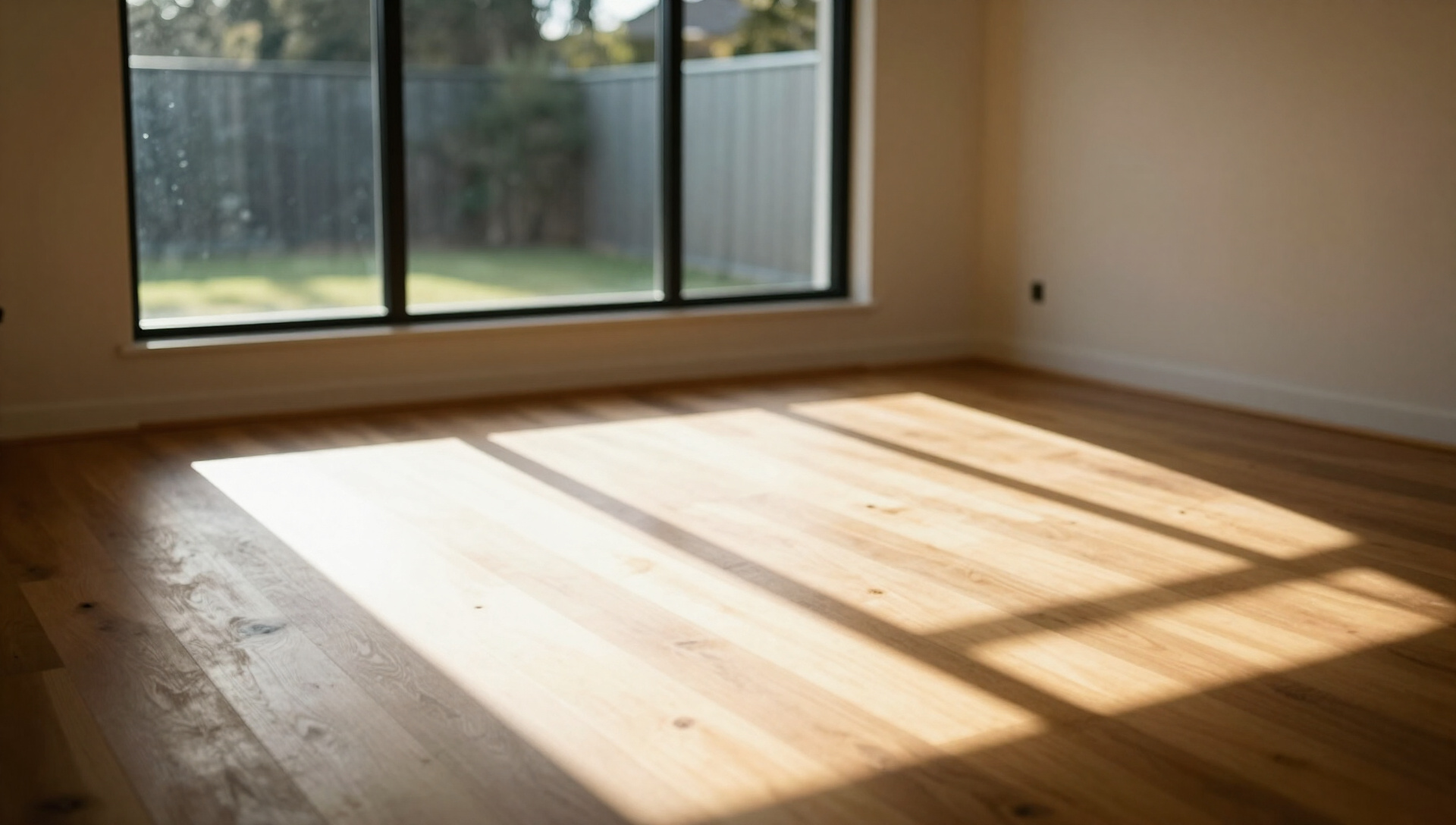
Nunawading’s cool winters mean uninsulated floors can make the whole house feel colder. Insulating under the floor improves comfort and energy efficiency by addressing the main source of heat loss in older homes.
Insulation under the floor stops cold air rising through gaps in the timber, so your feet stay warm and rooms heat up faster. This is especially noticeable in living areas and bedrooms above a ventilated subfloor.
With less cold air entering the home, your heater doesn’t have to work as hard to maintain a comfortable temperature. This can reduce energy use and heating bills over the colder months.
Older homes often have small gaps between floorboards that let cold air in. Underfloor insulation blocks this airflow, making the house feel less drafty and more consistent in temperature.
Whether you use ducted heating, split systems or hydronics, underfloor insulation helps your system perform better by keeping the heat where it belongs.
While the biggest benefit is in winter, underfloor insulation also helps keep floors cooler in summer by reducing heat transfer from the ground, which can be useful in Nunawading’s hotter months.
The work is done from the subfloor, so there’s no need to remove flooring or furniture. Access is through the existing crawl space or a small hatch, and most jobs are completed in a day.
The installation process depends on the type of underfloor insulation and the access available. Most Nunawading homes with suspended timber floors have enough crawl space for batts to be fitted between the joists.
We start by inspecting the subfloor to confirm the joist spacing, height and any obstacles like pipes or wiring. If old insulation is present and may contain asbestos, work stops until a qualified assessor inspects it.
The area under the house is cleared of debris, and we ensure there is safe access for the installers. Dust and loose material are removed to provide a clean workspace.
Batts are cut to fit snugly between the floor joists, supported by the joists and bearers. For foil insulation, it is stapled or fixed with adhesive to the underside of the joists, with an air gap maintained for reflective performance.
Once the insulation is in place, we check for any gaps or compression and ensure it is held firmly in position. The subfloor is then cleaned up, and any access points are secured.
Nunawading has a mix of interwar and postwar brick homes, many with suspended timber floors that lack insulation. These houses often sit on stumps and bearers with a ventilated subfloor, which allows cold air to circulate under the house and rise through the floorboards. Underfloor insulation is a straightforward upgrade that improves comfort without altering the home’s structure. Nearby areas like Mitcham and Vermont have similar housing stock, and the same principles apply.
Stop cold floors and draughts with underfloor insulation installed under suspended timber floors in Nunawading.
Homeowners in Nunawading often ask about the practicalities of underfloor insulation, including access, cost factors and whether it is worth the investment.
Underfloor insulation in Nunawading addresses the common issue of cold floors in older homes with suspended timber flooring. Without insulation, cold air from the ventilated subfloor rises through gaps in the floorboards, making rooms feel chilly and forcing heating systems to work harder. Installing glasswool, polyester or rockwool batts between the floor joists blocks this airflow, improving thermal comfort and reducing energy use. Reflective foil is another option where there is sufficient crawl space, providing a moisture-resistant barrier that reflects radiant heat.
The cost of underfloor insulation in Nunawading depends on the size of the area, the type of product chosen and the ease of access to the subfloor. Homes with low clearance or obstacles like pipes and wiring may require more time on site, which can affect the overall price. The chosen R-value also plays a role, with higher R-values offering better thermal resistance but typically at a higher material cost. Most installers recommend R1.5 to R2.5 for underfloor applications, as this range provides a good balance between performance and practicality in a confined space.
Signs your Nunawading home needs underfloor insulation include cold floors in winter, noticeable draughts coming up through floorboards and higher-than-expected heating bills. If your house was built before the 1980s and has suspended timber floors, it is likely uninsulated. An inspection of the subfloor will confirm whether insulation is present and in good condition. In some cases, old batts may have compressed or become damp, reducing their effectiveness and requiring replacement.
Improve comfort and reduce heating costs with underfloor insulation installed by Expert Insulation Melbourne. We work in Nunawading and surrounding suburbs, providing practical solutions for suspended timber floors.